Water Safety Tips for Children with Autism
May 03, 2026
May 03, 2026

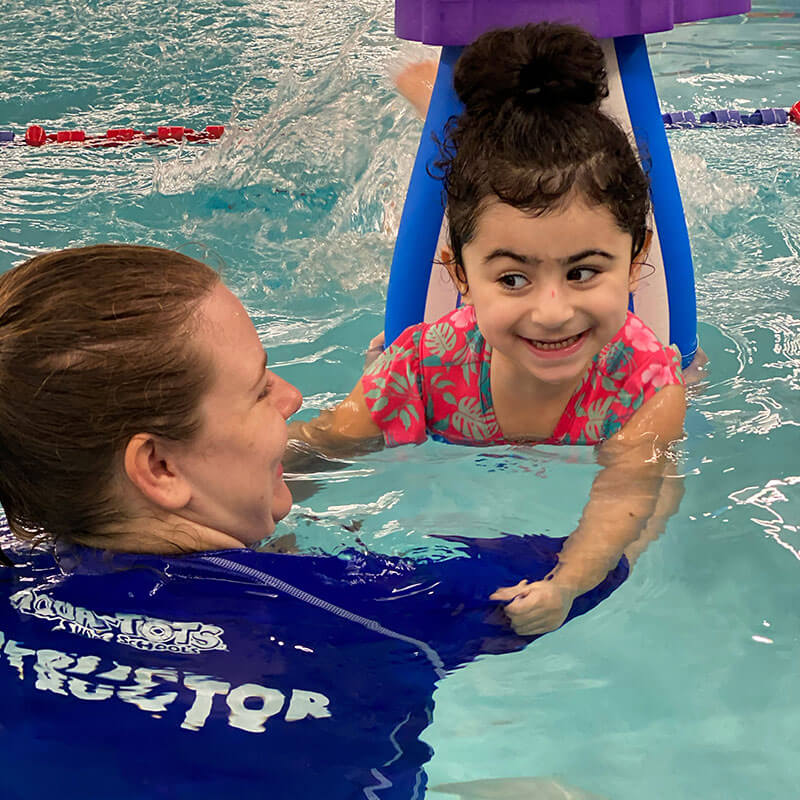
During the heat of the summer, many families travel to the beach, visit lake houses, spend long days in the swimming pool and splash around in a kiddie pool. But whether the season is starting or ending, we urge caregivers to remember that water safety should always remain top of mind.
This is not an easy subject for us to talk about, but according to the Centers for Disease Control and Prevention (CDC), drowning is a leading cause of death in children. It is important to note that the CDC also found individuals with autism spectrum disorder (ASD) have an even greater risk around the water–nearly 40 times as likely to die from drowning than the general population.
This increased risk is primarily due to some of the challenges associated with ASD. Elopement, trouble understanding or following directions, communication challenges, and limited situational awareness can all increase the concern. Other people have an affinity to bodies of water and may feel the need to touch the water as a calming effect.
Though these situations can happen in the blink of an eye, our team at Hopebridge offers some ideas on preventative ways to help keep children safe around the water.
Use this visual schedule to help you and your child prepare and talk about safety around water.
We don’t intend to scare you, but drowning can happen quickly, quietly and anywhere there is water. In many cases, these tragedies occur at unexpected times when a family does not intend to go swimming. This is why we feel it is so important to discuss water safety rather than solely swim safety.
To provide advice for families whose children may come into contact with pools, oceans, canals and other bodies of water year-round, we turned to former lifeguard and Registered Behavior Technician (RBT) Amanda Durma.
“Water safety not only teaches children fundamental skills to prevent an incident of drowning, but it also encourages independence in the water. This independence can help children with autism feel comfortable swimming and playing everywhere from a pool, to the bathtub, to the backyard, all while giving parents a little more peace of mind,” said Amanda.
Autism therapy programs that include applied behavior analysis (ABA therapy), including Hopebridge’s 360 Care model, can lay the groundwork for water safety or support children, as well as families who are already working on many of the practices. For example, ABA therapy skills like walking with an adult, understanding safety directives and transitioning away from a fun activity can all transfer to water safety settings.
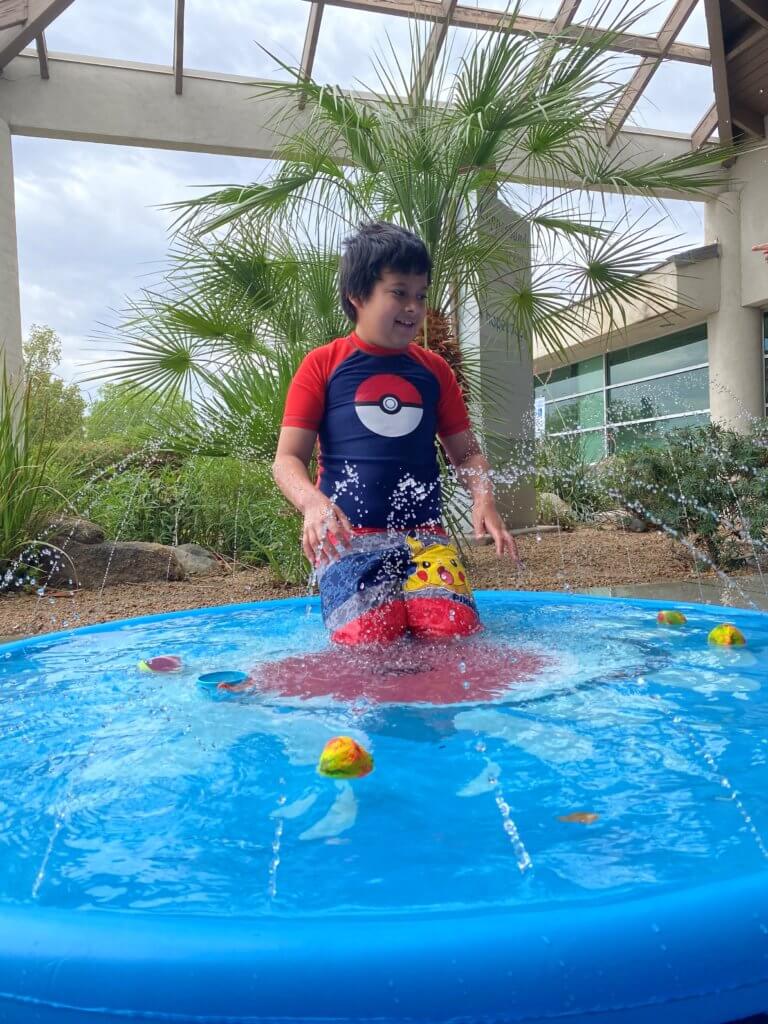
“As part of ‘Fun Fridays,’ our center incorporated some water play opportunities, including a small, shallow kiddie pool. Although we didn’t fill it deep enough for our kids to swim, it was a great opportunity to teach safe water play,” Amanda shared with us.
Elopement is a big concern for many families in general, but it can be especially dangerous for children who may wander near bodies of water. ABA therapy and other complementary therapies like speech therapy can be effective for those who struggle with elopement. If your child has challenges in this area, we also recommend reading our blog posts on home safety tips for wandering and how to best work with first responders in case of emergency, which can provide added safety support near the water.
While working as a lifeguard, swim instructor and camp counselor at a community recreation center, Amanda worked with children with special needs. These are her top tips and takeaways for families in and around the pool.
In addition to ensuring safety around the water, implementing these tips can help children build courage, trust, strength, balance, communication and independence, plus provide new opportunities for play and relaxation.
We want to help you with your goals around water safety. Our clinicians can incorporate safety awareness skills into your child’s autism therapy program to support your efforts in and around the water.
If this or another area of safety is one of your concerns, reach out to one of our centers across the nation so we can work with your child to build the skills they need to live a safe, independent and happy life.
*Informed consent was obtained from the participants in this article. This information should not be captured and reused without express permission from Hopebridge, LLC. Testimonials are solicited as part of an open casting call process for testimonials from former client caregivers. Hopebridge does not permit clinical employees to solicit or use testimonials about therapeutic services received from current clients (Ethics Code for Behavior Analysts 5.07-5.08; BACB, 2020). Hopebridge does not provide any incentives, compensation, or renumeration for testimonials provided by a former client or client caregiver.
Parenting Resources
June 13, 2023
What to Expect from Autism Testing: The Process for an Autism Diagnosis for Children
Parenting Resources
September 20, 2022
Is Your Child Ready for School? 5 Signs to Consider
Resources for Therapists & Physicians
January 08, 2025
Best BCBA Exam Study Materials to Pass on the First Attempt