“I’m in an ABA Graduate Program … Now What?”
August 22, 2024
August 22, 2024
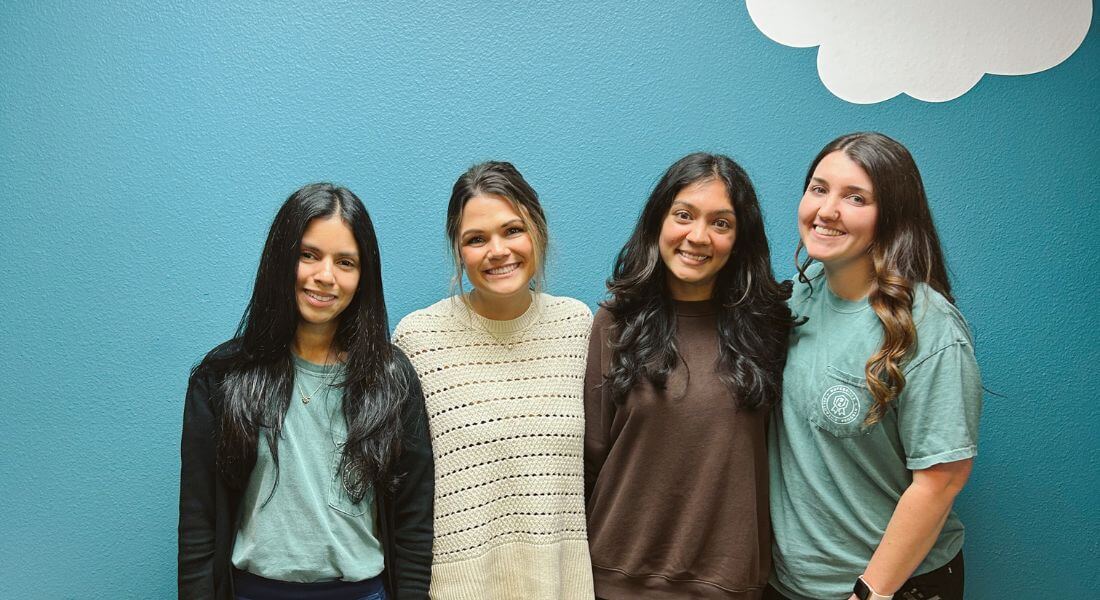
Beginning a graduate program in behavior analysis is an exciting time!
It’s a big deal to work toward your master’s degree and make the choice to become a Board Certified Behavior Analyst (BCBA). While the coursework in applied behavior analysis (ABA) is a large piece of the puzzle, once you enroll, you may find yourself wondering, “What’s next?”
We have heard from students that the process of becoming a BCBA can lead to some confusion. Some (RBT) enrolled in school found it difficult to navigate the specifics of Behavior Analyst Certification Board (BACB) requirements for those not yet familiar with them.
At Hopebridge Autism Therapy Centers, we care as much about our budding clinicians’ growth as we do our children’s development. Our talent acquisition team and clinical leadership have put countless hours into creating a well-rounded Fellowship Program that not only sets up students for success in their future BCBA careers but also provides much-needed answers and support for every step along the way.
To answer some of your burning questions so you can get to your BCBA endgame, we turned to Talent Acquisition Partners Will Osment and Chelsea Lester. Together, they shared their top advice for ABA graduate students as you embark on your educational journey.

Outside of behavior-analytic graduate coursework, supervised fieldwork makes up the biggest part of training to become a BCBA. Understanding the BACB guidelines regarding ABA fieldwork is crucial, and the provider you choose to supervise your hours can also enhance your experience. It is beneficial to find a place that not only meets the minimum requirements, but also one that supports your overall learning and educational goals.
“We want to make sure we’re not creating overnight BCBAs. The Hopebridge Fellowship Program gradually eases students into the role so it’s not a big shock when one day they wake up as a BCBA,” said Will.
Chelsea echoes this sentiment: “Rather than just giving out fieldwork hours, we’re setting up a solid generation of clinicians by honing in on a curriculum.”
Here are their top tips for students as they consider their approach to ABA fieldwork:
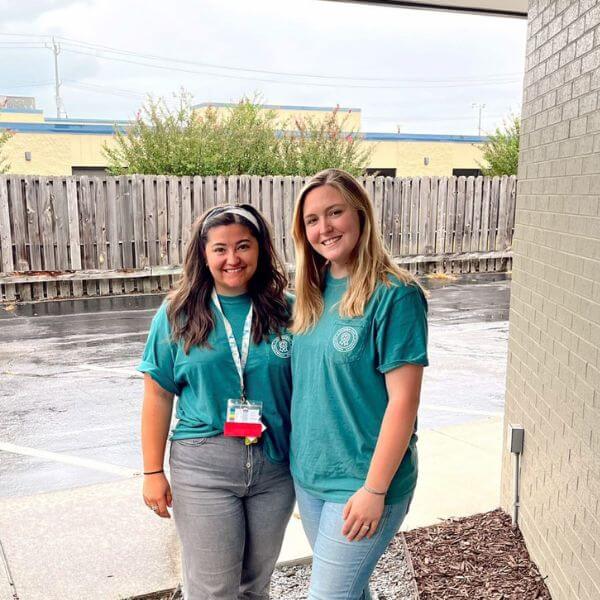
 experience that provides a controlled environment and hands-on support from multiple BCBAs, versus that of home care with solely virtual supervision. . In addition to a supervising BCBA and a center full of clinicians to lean on for face-to-face support, Hopebridge’s Fellowship program also offers a cohort model that provides a sense of community amongst Fellows, even if they are states away.
How does this all come into play in real life? Hopebridge RBT and Fellow Ashton Daniel first learned about Hopebridge’s Fellowship Program from a friend employed by Hopebridge. After hearing about the opportunities for advancement the program offered, he felt it was the right match for him to mold himself into the best BCBA possible and give back to others.
“The Fellowship Program provided clarification on required final verification forms when moving through organizations to ensure all fieldwork hours that need to be submitted to the BACB are accounted for,” said Ashton.
Red Flags:
🚩 No fieldwork hour guarantee
🚩 Supervision that comes at a cost
🚩 Entirely virtual supervision
🚩 Elevated pay rate
🚩 Unclear expectations
Green Flags:
🟢 Consistent, manageable fieldwork hours
🟢 On-the-job, paid supervision
🟢 On-site supervising BCBA + Fellowship cohort model
🟢 Fair pay as an RBT + health benefits, pass bonuses, tuition discounts and more
🟢 Clear curriculum, accountability through competencies, and transparency
Whether you are about to start your ABA coursework or are already in the thick of it, you should have the opportunity to gain valuable knowledge and feel confident in your fieldwork experience. There are a wide range of factors you should consider when approaching your fieldwork hours and choosing a supervising provider.
If you are interested in embarking on a new fieldwork journey, Hopebridge has open positions available across the nation for motivated students like you. We value our Fellows, just as we do our BCBAs, RBTs and other clinicians, and offer a wealth of development and advancement opportunities at all stages of their career. It’s time to make your professional dreams a reality while also making a positive difference for these kids and families!
*Informed consent was obtained from the participants in this article. This information should not be captured and reused without express permission from Hopebridge, LLC. Testimonials are solicited as part of an open casting call process for testimonials from former client caregivers. Hopebridge does not permit clinical employees to solicit or use testimonials about therapeutic services received from current clients (Ethics Code for Behavior Analysts 5.07-5.08; BACB, 2020). Hopebridge does not provide any incentives, compensation, or renumeration for testimonials provided by a former client or client caregiver.
Autism Therapy
January 19, 2026
Leading Pediatric Therapy for 20 Years, Hopebridge Expands Impact in 2025
Autism Therapy
October 22, 2019
Maintenance: Why Practicing Skills After they are Learned is so Important!
Autism Therapy
July 29, 2024
Hopebridge Partners with EarliPoint Health to Provide Objective Autism Assessment for Babies and Toddlers