How We Measure Progress Within Pediatric Therapy
July 23, 2026
July 23, 2026
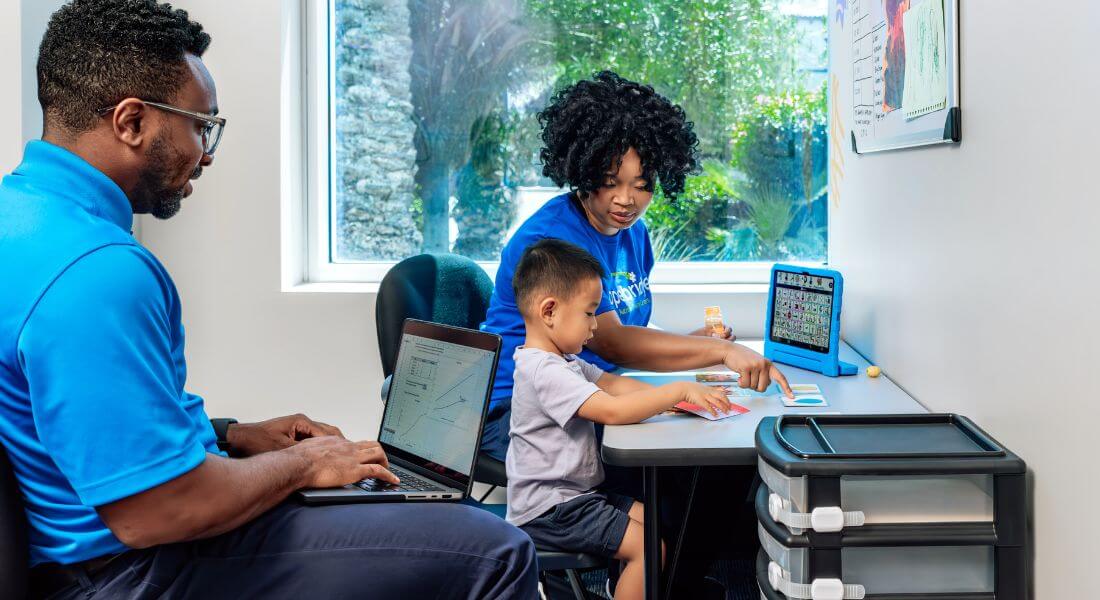
Seeing your child grow is what our clinicians are working to accomplish at Hopebridge. Our goal is to help your child gain skills that make everyday life easier. Progress is measured by changes you can see at home, school and in the community.
To make sure therapy continues moving in the right direction, your child’s care team regularly looks at how things are going, both in sessions at Hopebridge and in home life.
Progress is measured by:
During applied behavior analysis (ABA therapy), clinicians collect data throughout the day on how your child responds to learning opportunities, play and skill-building activities. This information enables the board certified behavior analyst (BCBA) to track which strategies are working well, celebrate accomplishments, and adjust goals as your child develops.
Your child may also participate in structured developmental assessments at certain points. One example is the Verbal Behavior Milestones Assessment and Placement Program (VB-MAPP), which looks at communication, learning, and social skills to guide therapy priorities.
You and your family play an important role in this process, too. Approximately every six months, caregivers are asked to complete questionnaires (some families think of them as “surveys”) that give us valuable insight into how your child is doing outside of therapy sessions. This enables us to continue to create a care plan that fosters the best possible outcomes. Here are two of the assessments you may be asked to complete:
These forms can take a little time to complete, but every response helps create a clearer picture of your child’s progress in different settings.
During OT and speech sessions, your child’s occupational therapist (OT) and speech-language pathologist (SLP) closely observe and document how your child engages in activities such as play, communication, self-care, feeding, fine motor tasks, and sensory integration. They measure progress using a combination of collecting data, clinical observation, and ongoing collaboration with you and your child’s interdisciplinary team.
During each therapy session, the OT or SLP will collect specific data on your child’s performance such as how often the skill is completed, how much support is needed, and how accurately it was performed.
For example, an OT may track support needed to put on shoes, while an SLP may track how consistently your child requests an item or activity. This ongoing information helps therapists understand what strategies are working well, celebrate progress and adjust goals as your child grows and develops. 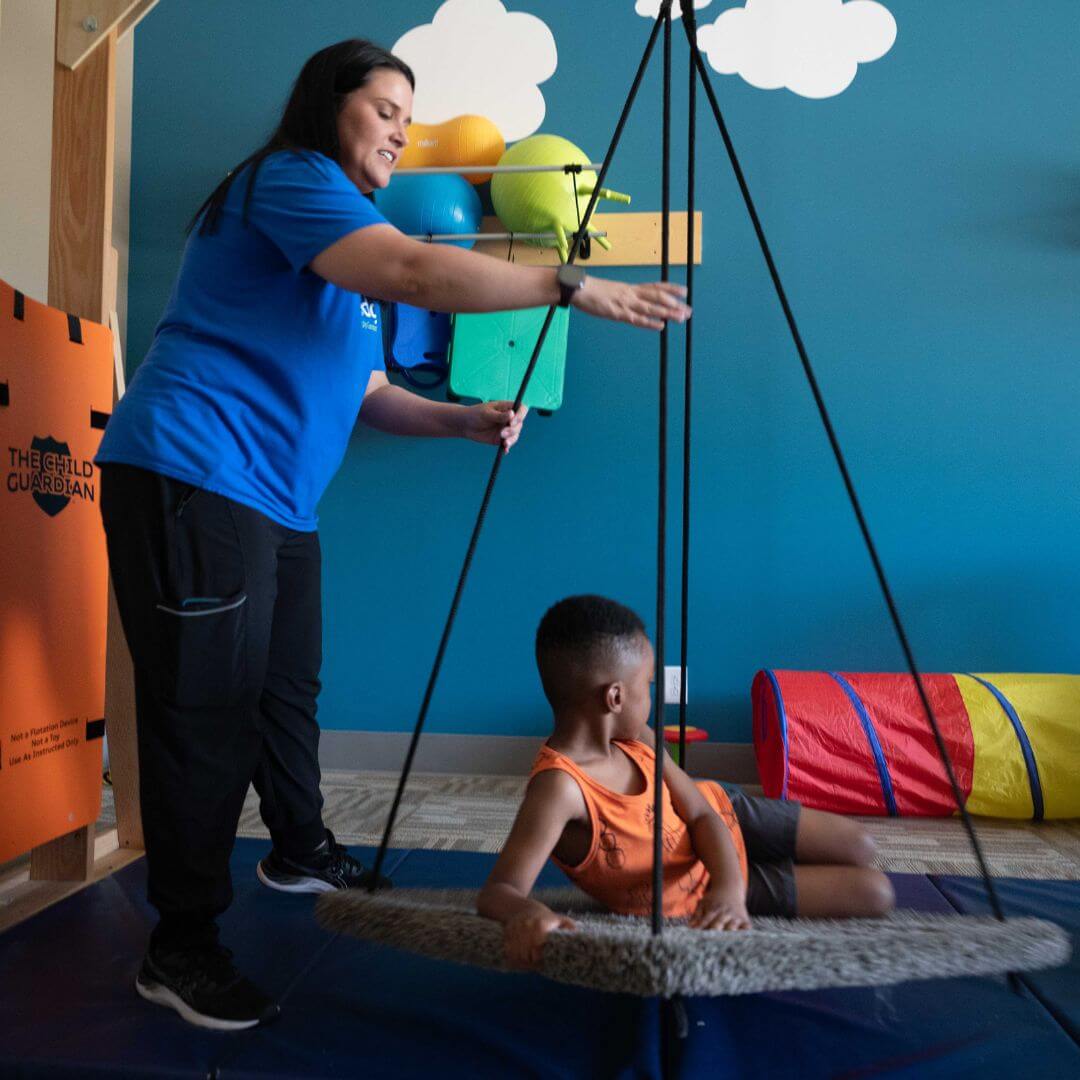
At regular intervals—often aligned with your child’s Plan of Care (POC)—the OT or SLP reviews therapy data, compares your child’s current level of functioning with their initial baseline and determines if goals should be updated.
Just as importantly, your insights about how your child is doing at home, school and in the community helps us understand how skills are carrying over into daily life and ensures that therapy remains functional and relevant.
Approximately twice a year, the care team reviews therapy data, assessment results, and family feedback to update your child’s POC. This helps ensure therapy continues to reflect your child’s strengths, needs, and next steps.
When families and clinicians share their observations and insights, we’re able to see the full picture—and share it with you—so we can keep working together to help your child thrive now and in the future.
Progress in therapy does not always follow a straight path. Your child may show small improvements over time that gradually build into meaningful skills. There may be times when progress seems slower, followed by noticeable periods of growth and independence. These are natural, normal patterns of learning and development.
Your child’s clinicians are committed to keeping you informed and supported every step of the way. They will share updates and progress through parent communication forms, conversations during visits, and communication via phone or email when needed. You can also view your child’s plan of care at any time within the parent portal, HB Portal.
Therapy is a collaborative, team-based process focused on your child’s overall growth and development. While data and formal assessments guide clinical decisions, the most meaningful outcomes are viewed in your child’s increased confidence, independence and success in daily life.
If you ever have questions or would like more information about your child’s therapy, please don’t hesitate to reach out—we are here to support you.
*Informed consent was obtained from the participants in this article. This information should not be captured and reused without express permission from Hopebridge, LLC. Testimonials are solicited as part of an open casting call process for testimonials from former client caregivers. Hopebridge does not permit clinical employees to solicit or use testimonials about therapeutic services received from current clients (Ethics Code for Behavior Analysts 5.07-5.08; BACB, 2020). Hopebridge does not provide any incentives, compensation, or renumeration for testimonials provided by a former client or client caregiver.
Autism Therapy
June 15, 2018
What is Natural Environment Teaching? Learn from a Hopebridge BCBA Series
Autism Therapy
July 01, 2026
Hopebridge Underscores Commitment to Better Outcomes at National ABA Conferences
Autism Therapy
October 07, 2025
Hopebridge Brings Five New Autism Therapy Centers to North Carolina with Speech and Occupational Therapy Offerings