4 Necessary School-Ready Skills and Child Development Tips
July 22, 2026
July 22, 2026
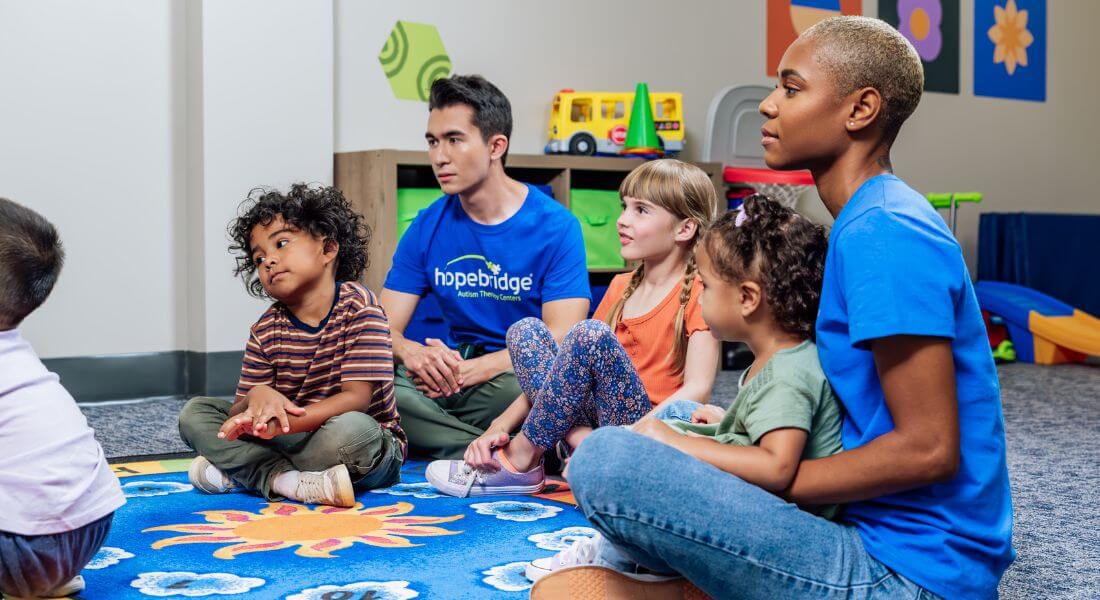
Starting school is an exciting milestone that can also bring new routines, expectations and challenges for children and their families. Fortunately, children are not expected to master everything before they walk through the classroom door.
School readiness isn’t about perfection. Rather, it’s about building foundational skills that help children learn, participate, safely adapt and feel confident in a new environment.
Whether your child is receiving applied behavior analysis (ABA therapy), occupational therapy, speech therapy or working on executive functioning skills in another way, small moments of practice at home can make a meaningful difference. By working on everyday routines together, caregivers can help children build confidence while preparing for greater independence at school.
At school, children are often expected to complete many daily tasks with less support than they may receive at home or in therapy. Before attending school, many parents think about teaching kids their colors, how to spell their name and how to count, but there may be some unexpected—but necessary—skills you may not have considered. These skills center around building autonomy and independence that help children gain confidence while preparing them for classroom expectations.
Examples include:
Here’s how you can help at home:
At Hopebridge, clinicians like board certified behavior analysts (BCBAs), occupational therapists and speech-language pathologists partner with families to identify age-appropriate independence goals and create strategies that can be practiced consistently across home, therapy and school settings.
A classroom asks children to do more than sit at a desk. Students may need to wait their turn, listen to their teacher, join group learning, or transition between lessons or activities.
Examples include:
Here’s how you can help at home:
These small opportunities lead children to build patience, flexibility and the ability to participate in everyday classroom routines.
Communication looks different for every child. Whether your child uses spoken language, gestures, sign language or another augmentative and alternative communication (AAC) device, the goal is the same: helping them communicate effectively across environments.
For example, they will require functional communication at school to:
Here’s how you can help at home:
When children have reliable ways to self-advocate and express their needs, they often experience less frustration while creating stronger connections with teachers, peers and family members.
School days are full of surprises and rarely go exactly as planned. Being able to cope with unpredictability is essential for success in the classroom, but may be difficult for some children with autism or other differing abilities. Setting up children for more flexibility before school starts can make these moments feel less overwhelming.
Some examples of changes they could experience include:
Here’s how you can help at home:
Working these small changes into everyday experiences can boost kids’ coping strategies, giving them the opportunity to carry them into the classroom and beyond.
Preparing for school doesn’t happen all at once. It happens through daily routines, shared experiences and consistent encouragement. Every opportunity to practice independence, communication, flexibility and participation further develops the skills they need for what lies ahead. This type of practice may be especially important for children with autism, ADHD or other developmental delays or behavior disorders.
At Hopebridge, our teams work alongside families to support each child’s unique developmental journey. Through individualized ABA therapy, occupational therapy, speech therapy and family guidance, we are here to support you in your practice so you can create a bridge between your child’s therapy readiness and real-world school success.
*Informed consent was obtained from the participants in this article. This information should not be captured and reused without express permission from Hopebridge, LLC. Testimonials are solicited as part of an open casting call process for testimonials from former client caregivers. Hopebridge does not permit clinical employees to solicit or use testimonials about therapeutic services received from current clients (Ethics Code for Behavior Analysts 5.07-5.08; BACB, 2020). Hopebridge does not provide any incentives, compensation, or renumeration for testimonials provided by a former client or client caregiver.