Play with Purpose: Why Play Is the Foundation of Your Child’s Development
June 17, 2026
June 17, 2026
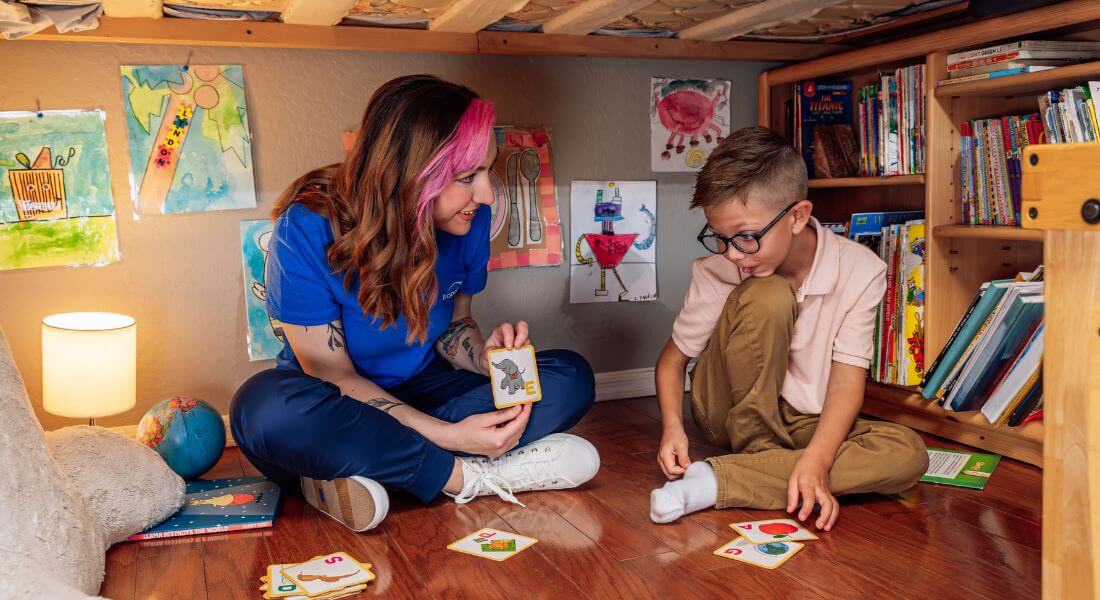
Play is often seen as a break from learning, but in reality, it is how children learn best.
From the moment a child begins exploring their environment, play becomes the primary way they understand the world. Whether they are stacking blocks, digging in sand, or pretending to cook in a toy kitchen, they are building critical skills that support lifelong development.
Through play, children develop:
What makes play so powerful is that it is process driven. There is no right way to play. The value is not in what a child creates, but in the experience of trying, exploring, and learning along the way.
Even simple, everyday play experiences can have a big impact. Activities like scooping and pouring, pretend play, building with blocks, or drawing with crayons all support different areas of development. These moments help strengthen the same skills children need for school, friendships, and independence.
You do not need elaborate toys or structured activities to support your child’s development. Instead, focus on being present and engaged.
Try this:
When you play with your child, you are not just passing time. You are building connection, confidence, and essential life skills.
Join us at Play Labs, a hands-on, play-based experience where children explore interactive stations while therapists provide simple insights you can use at home. You will leave with a better understanding of your child’s development and practical ways to support their growth.
Check out upcoming Play Labs in the community near you and reserve your spot today.
*Informed consent was obtained from the participants in this article. This information should not be captured and reused without express permission from Hopebridge, LLC. Testimonials are solicited as part of an open casting call process for testimonials from former client caregivers. Hopebridge does not permit clinical employees to solicit or use testimonials about therapeutic services received from current clients (Ethics Code for Behavior Analysts 5.07-5.08; BACB, 2020). Hopebridge does not provide any incentives, compensation, or renumeration for testimonials provided by a former client or client caregiver.
Parenting Resources
August 20, 2020
Are My Child’s Tantrums Normal? - Learn from a Hopebridge BCBA
Parenting Resources
July 24, 2018
Life After Loss: A Father’s Open Letter to Autism Families
Parenting Resources
January 27, 2025
How Much Screen Time is Too Much for Children with Autism?