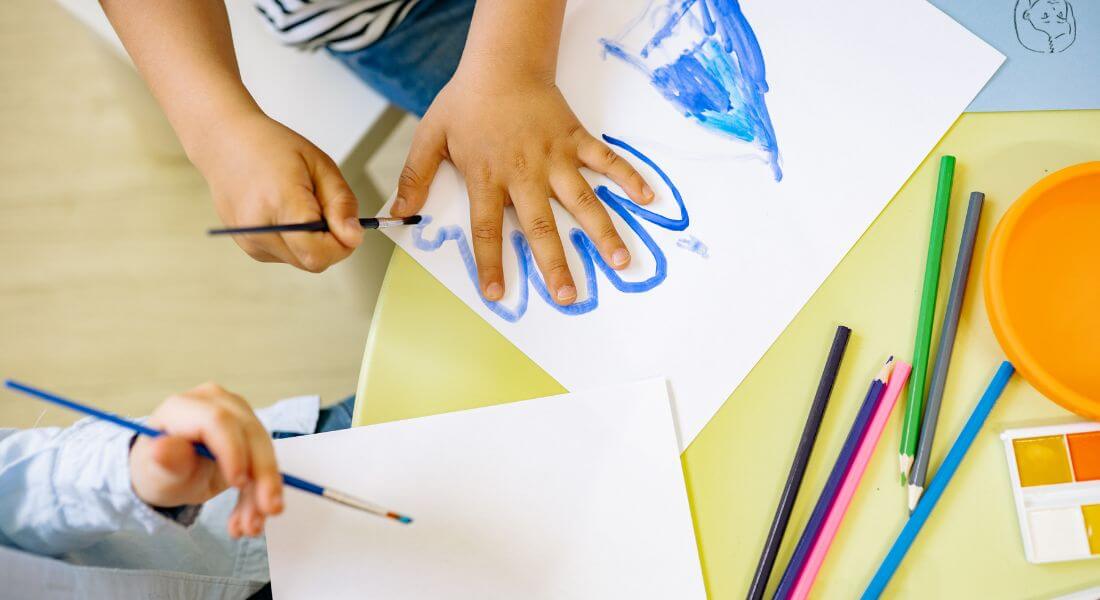
When many people think about getting a child “ready for school,” they picture workbooks, tracing sheets, and practicing letters at the table. But for young children, play is the most powerful and natural way to build true school readiness.
School readiness is not just about knowing colors, shapes, or the alphabet. It is about having the communication, motor, social, and self-regulation skills to participate, learn, and feel confident in a classroom environment. Everyday play experiences help build that foundation long before a child ever walks into a classroom.
What Is School Readiness Really About?
School readiness includes many different skill areas:
- Communication
Understanding directions, expressing needs and ideas, and participating in conversations with adults and peers.
- Social and emotional skills
Taking turns, sharing, waiting, managing big feelings, and beginning to understand other people’s perspectives.
- Motor skills
Using hands for writing, cutting, and self-care tasks, as well as using the whole body for sitting, standing, climbing, and moving safely.
- Attention and self-regulation
Staying with an activity, shifting between tasks, and calming their body and mind enough to participate in group routines.
Play supports all of these skills in a way that feels natural, enjoyable, and motivating for children.
How Play Builds Core School Skills
You can think of each type of play as helping to prepare your child for a different part of the school day. 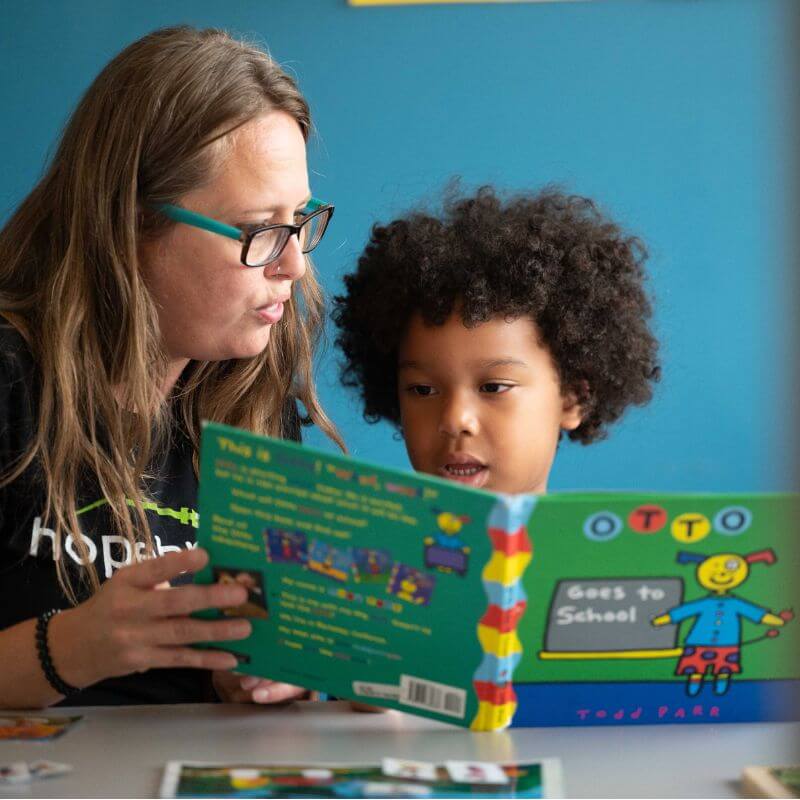
- Communication and language through play
During pretend play, building, or games like “fishing” for objects, children practice listening, following directions, and using words or gestures to express themselves. Naming objects, describing what they see, and taking turns saying “my turn” or “I caught one” all build early classroom communication skills.
- Social skills and relationships
When children play alongside others, they learn how to share materials, wait for a turn, and solve small conflicts, such as when two children want the same toy. These experiences help children build friendships, feel comfortable in groups, and develop emotional awareness.
- Fine motor skills for writing and self-care
Activities like cutting paper, stringing beads, drawing faces, and molding sand strengthen the muscles and coordination needed for holding a pencil, using scissors, buttoning clothes, and opening containers. Play activities that include pinching, squeezing, snipping, and tracing are laying the groundwork for future handwriting and classroom participation.
- Gross motor skills and body awareness
Jumping over pretend “waves,” crawling through tunnels, and balancing along a path help children understand where their bodies are in space. These skills support sitting upright at a desk, moving safely around the classroom, and participating in sports and playground games with confidence.
- Attention, persistence, and problem-solving
When a child builds a tower that keeps falling or tries to navigate an obstacle course, they are practicing persistence, flexible thinking, and trying new strategies. These are the same skills they will use when learning new academic concepts.
Everyday Play Ideas That Support School Readiness
You can support school readiness at home without worksheets or complicated plans. Simple, playful activities are more than enough.
- Language-rich play
Join your child in pretend play, building, or simple games. Talk about what they are doing, ask questions, and model phrases like “Can you help me?” or “Your turn” to build everyday communication skills.
- Fine motor play
Provide materials like safety scissors, paper, pipe cleaners, beads, cereal, stickers, and crayons. Invite your child to cut “sun rays,” string beads, draw faces, or trace simple shapes. These moments strengthen the same skills needed for writing and self-care.
- Movement and obstacle courses
Use pillows, cushions, tape, or household items to create a simple indoor obstacle course. Ask your child to jump, crawl, carry, and balance as they move through. This supports coordination, motor planning, and body awareness.
- Turn-taking games
Play simple games that involve taking turns, such as rolling a ball back and forth, “fishing” for hidden objects, or choosing items from a sensory bin. Practice using phrases like “my turn,” “your turn,” and “can I try?”
- Independent play practice
Set up a small play area with a few engaging activities and encourage your child to explore on their own for short periods. Gradually increase the time as they learn to stay with an activity and manage small frustrations.
Signs Play Is Supporting School Readiness
As you watch your child play, you may notice changes like:
- More interest in interacting with others during play
- Increased use of words, gestures, or sounds to communicate
- Greater confidence climbing, jumping, or navigating obstacles
- Longer attention to activities they enjoy
- More interest in drawing, cutting, or building
These are all signs that play is building the skills that support a smoother transition into school.
You Do Not Need to “Teach” Like a Classroom
One of the most reassuring truths about early childhood is that children learn best through meaningful, hands-on experiences. You do not have to recreate a classroom at home. By joining your child in play, talking about what they are doing, and offering a variety of movement and fine motor activities, you are already supporting school readiness in powerful ways.
See School Readiness in Action at Play Labs
If you are curious about how your child’s play connects to school readiness, Milestone Play Labs offer a simple, low-pressure way to find out. During each Play Lab, children move through stations that target fine motor, movement, sensory, and communication skills, while therapists observe, engage, and share one or two clear insights with families.
You will leave with a Development Snapshot card and options to schedule a Milestone Screen if you would like a deeper look at your child’s development.
Find an upcoming Play Lab and reserve a spot so you can see how play is preparing your child for school and everyday life, without a single worksheet.
*Informed consent was obtained from the participants in this article. This information should not be captured and reused without express permission from Hopebridge, LLC. Testimonials are solicited as part of an open casting call process for testimonials from former client caregivers. Hopebridge does not permit clinical employees to solicit or use testimonials about therapeutic services received from current clients (Ethics Code for Behavior Analysts 5.07-5.08; BACB, 2020). Hopebridge does not provide any incentives, compensation, or renumeration for testimonials provided by a former client or client caregiver.