A BCBA Career Built on Curiosity, Collaboration and Learning
October 06, 2026
October 06, 2026
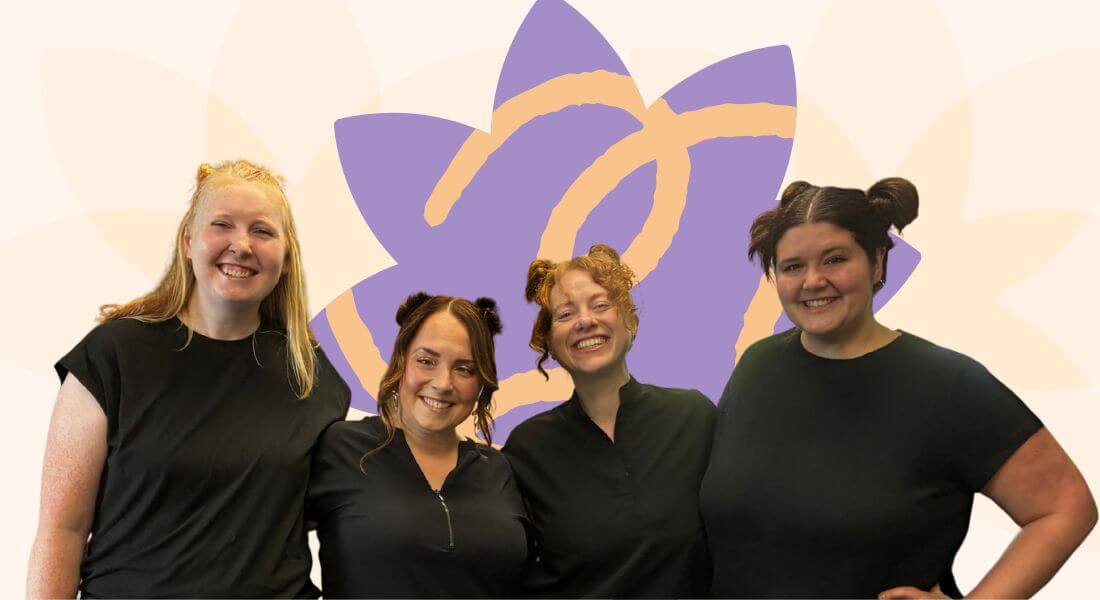
When Gabrielle Spencer first joined Hopebridge as a Registered Behavior Technician (RBT), she knew she wanted to work with children with differing needs. What she didn’t yet know was how much she would enjoy the science behind applied behavior analysis (ABA), or where that interest would take her.
Today, Gabrielle is a board certified behavior analyst (BCBA) at the Hopebridge therapy center in Miamisburg, OH. It’s here that she combines her passion for understanding behavior with a love of teaching, collaborating and celebrating the small moments that show a child’s skills are growing.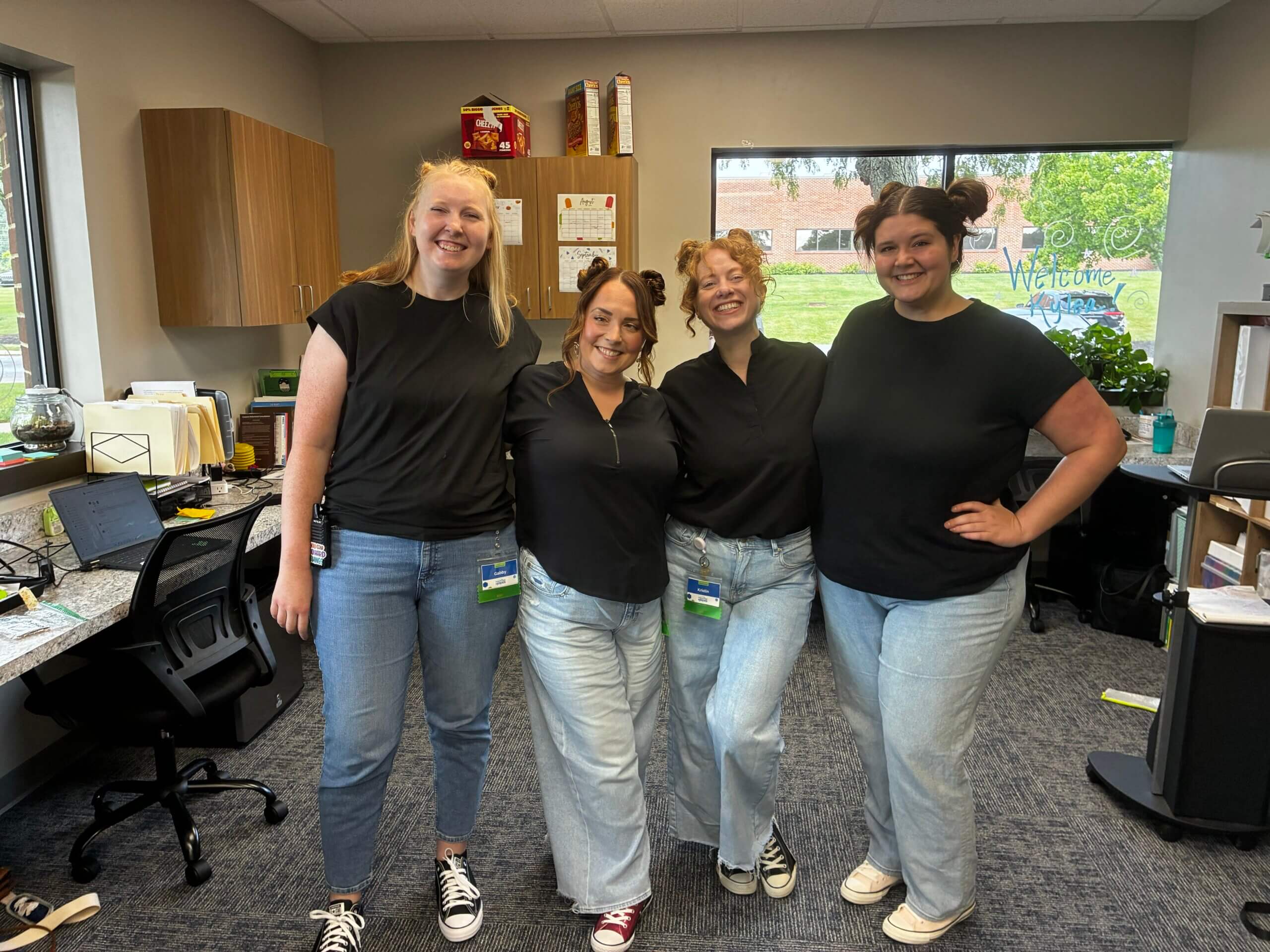
Knowing she wanted to work with children, Gabrielle came to Hopebridge with a background in occupational therapy. At first, ABA was new to her. The more she researched the science and spent time in the center, the more she wanted to learn and apply that knowledge to help children build valuable life skills.
“The science of behavior is what drew me to ABA. Understanding why people do what they do is fascinating. I talk to my RBTs about the ‘why’ behind what we’re doing every day,” said Gabrielle.
That curiosity continues to shape how she approaches her work today. Whether she is reviewing a behavior intervention plan, looking at data, or collaborating with an occupational therapist on ideas for implementation, Gabrielle enjoys digging into the science behind the decisions.
Due to a move away, Gabrielle worked for another provider for a short time, but returned to Hopebridge this spring. The organization’s vast opportunities for continued professional development are what inspired her to continue her career journey at Hopebridge.
“I came back to Hopebridge because of the mentorship and career growth opportunities,” said Gabrielle. “There is a lot in this field to learn about and I recognized that Hopebridge was the best place to do that.”
The Bridge Program particularly sparked her interest. Gabrielle values the opportunity to learn alongside more experienced BCBAs, including senior clinicians who can provide guidance, shadowing opportunities and firsthand perspective.
She also takes advantage of free continuing education (CE) opportunities to explore specialized areas of ABA and expand her knowledge beyond her day-to-day responsibilities, thanks to Hopebridge’s designation as an Authorized Continuing Education (ACE) provider by the BACB®.
Gabrielle believes the value extends beyond what she learns herself. She takes the knowledge back to her RBTs, the children she works with, and their families, creating what she describes as a culture of learning and growth.
During supervision and consults, she does not solely explain what she wants an RBT to do. She explains the science and clinical reasoning behind it. For example, rather than simply directing an RBT to follow a particular procedure, Gabrielle might explain why a reinforcement schedule was modified, why an error-correction procedure changed, or modeling how to raise their hand ultimately connects to a child’s broader development.
She believes that understanding the reasoning behind an intervention creates greater buy-in and helps RBTs implement procedures with greater fidelity to better support outcomes for their kids.
Ask Gabrielle about her favorite moment since becoming a BCBA, and she won’t point to one big milestone. Instead, it’s the everyday moments.
An RBT might come to her with exciting news about a new skill. A family might report that a child is using a skill at home. Or the entire team might find themselves celebrating a seemingly small accomplishment together.
Those moments are meaningful because they represent something much larger: a child gaining a skill that can increase independence, communication or participation in everyday life.
Gabrielle especially loves when families recognize those connections during Family Guidance. She may work with an RBT and caregiver to demonstrate a specific strategy and why. Then comes the lightbulb moment when that parent experiences the same strategy or skill at home with their child.
For Gabrielle, that is the bigger picture of ABA: understanding the science, applying it thoughtfully and helping skills carry beyond the clinic.
Gabrielle is still early in her BCBA career, but she already considers the growth of other current and future clinician. She regularly encourages RBTs who are interested in becoming BCBAs to explore the Hopebridge Fellowship Program and take advantage of the learning opportunities available to them.
Her own career continues to be shaped by the same curiosity that first drew her to ABA.
For clinicians who share Gabrielle’s eagerness to dive into the science of behavior—and want an avenue to learn from experienced peers and grow their careers—Hopebridge offers multiple paths to keep moving forward.
Explore BCBA, RBT and other clinical career opportunities at Hopebridge to find your next opportunity to learn and grow.
*Informed consent was obtained from the participants in this article. This information should not be captured and reused without express permission from Hopebridge, LLC. Testimonials are solicited as part of an open casting call process for testimonials from former client caregivers. Hopebridge does not permit clinical employees to solicit or use testimonials about therapeutic services received from current clients (Ethics Code for Behavior Analysts 5.07-5.08; BACB, 2020). Hopebridge does not provide any incentives, compensation, or renumeration for testimonials provided by a former client or client caregiver.
Team Spotlight
December 02, 2020
Autism Therapy Providers and Families Benefit from Grand Rounds at Hopebridge
Team Spotlight
August 11, 2017
RBT Mallory Cheever Explains the Value of Personalized Therapy at Hopebridge
Team Spotlight
July 25, 2022
Moving for the Cause: Hopebridge BCBA Answers the Call to Serve
Team Spotlight
December 30, 2019
How Center-Based Therapy Brings BCBA Jenn Abrom Closer to the Kiddos